
Programs
Practical training for preparedness, protective action, and lifesaving response.
IFCRR's two core program systems are CHRRP and CLASP. They can be delivered independently, integrated for broader community-readiness efforts, or tailored for specific audiences and partner needs.

Core Program 01
Community Hazard Readiness & Risk Reduction Program (CHRRP)
CHRRP helps people prepare before an incident by connecting local hazards with practical readiness actions. Training emphasizes hazard recognition, household planning, emergency communications, exposure reduction, and protective decision-making.
Program focus
- Community and household preparedness
- Wildfire, smoke, and evacuation readiness
- Hazardous materials awareness and shelter-in-place
- Emergency communications and alerts
- Preparedness demonstrations and outreach
- Partner-focused community preparedness programming
Community Emergency Preparedness Training
Practical planning, communications, supplies, evacuation, and protective-action readiness.
View pageWildfire, Smoke & Evacuation Preparedness
Wildfire readiness, smoke exposure reduction, alert awareness, and evacuation planning.
View pageHazardous Materials & Shelter-in-Place
Chemical-emergency awareness, exposure reduction, evacuation versus shelter-in-place, and protective actions.
View pagePublic Agency Partnerships
Community preparedness support for fire departments, emergency management, public health, and local government partners.
View page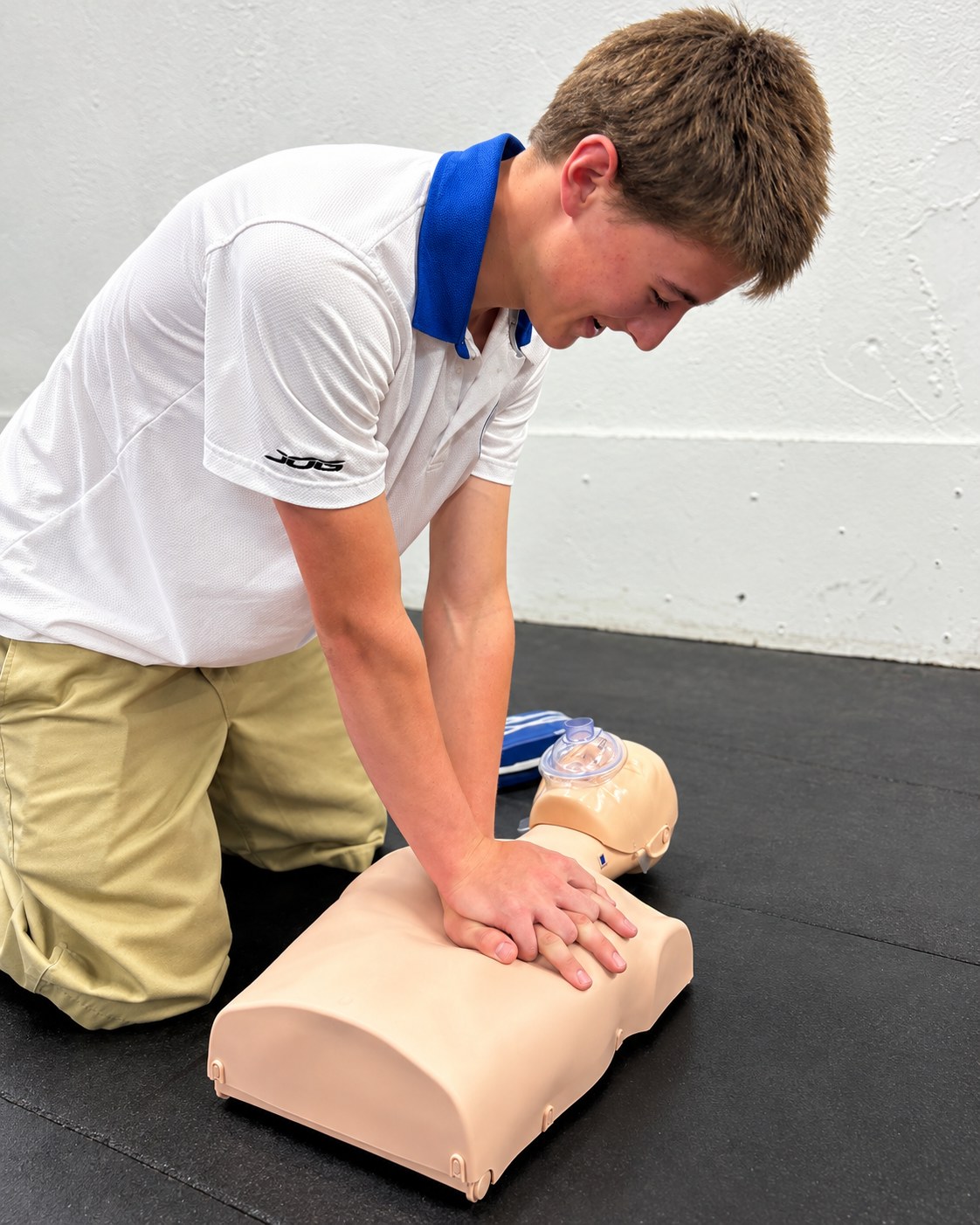
Core Program 02
Community Lifesaving And Emergency Skills Program (CLASP)
CLASP develops practical lifesaving capability for the first critical minutes of a medical emergency. Training may be delivered in certification-based formats or accessible community skills sessions depending on the audience and objectives.
Training options
- American Heart Association Heartsaver® First Aid CPR AED
- American Heart Association Basic Life Support (BLS)
- STOP THE BLEED®
- Community Lifesaving Skills Training
- Integrated preparedness and lifesaving pilots
Integrated readiness model
Prepared before the incident. Capable during the incident.
CHRRP prepares participants to recognize hazards and take protective action. CLASP prepares participants to respond to medical emergencies during the first critical minutes. Together they form a practical community-readiness model.